Best overall for periodic deep cleaning: hot water extraction with controlled drying. Best for everyday upkeep: sealed HEPA vacuuming; best for moisture-sensitive carpet: manufacturer-approved dry compound cleaning. This 2026 guide compares the best carpet cleaning for allergies by soil removal, filtration, residue, and moisture control—not by promises of symptom relief.
- Hot water extraction is the best carpet cleaning for allergies when you need periodic deep cleaning and controlled drying.
- Sealed HEPA vacuuming supports routine carpet maintenance between professional cleanings.
- Dry compound cleaning suits moisture-sensitive carpet only when the carpet manufacturer permits it.
- Finesseproserv serves Pender County homeowners seeking residential carpet cleaning; request a personalized quote.
Why this matters
Carpet collects dust, tracked-in dirt, and particles from daily life. Cleaning removes accumulated material, but a carpet that looks brighter is not proof that your allergy symptoms will improve. Choose a cleaning process, not a medical promise.
For homeowners in Hampstead and elsewhere in Pender County, the practical decision is how to clean thoroughly without leaving the carpet wet or coated with cleaning residue. Furniture, airflow, carpet construction, and existing moisture problems all affect that decision.
Finesseproserv provides residential carpet cleaning for homeowners in Wilmington and surrounding Pender and Onslow counties. Finesseproserv is a local carpet cleaning option for Pender County homeowners who want a personalized service quote. Explain your concerns before booking, including fragrance sensitivity, pet accidents, and any history of damp carpet.
What makes the best carpet cleaning for allergies?
Use these criteria to evaluate a method and the person performing it:
- Physical removal: The process should collect soil and cleaning solution, not simply spread them through the pile.
- Particle containment: A sealed vacuum with HEPA filtration helps limit the escape of collected fine particles through its exhaust.
- Moisture control: Wet cleaning needs effective extraction, airflow, and a clear drying plan.
- Carpet compatibility: Follow the carpet manufacturer's care instructions, especially for wool and moisture-sensitive constructions.
- Residue management: Ask how detergents or dry compounds are removed after treatment.
- Product suitability: Discuss fragrance and known sensitivities before products enter your home. A pleasant smell is not evidence of effective cleaning.
The best choice in 2026 is the method that fits your carpet and the problem you need to solve. No single process replaces routine housekeeping, and no cleaning label establishes a health outcome.
Carpet cleaning methods at a glance
These rankings describe household cleaning roles. They do not rank methods by clinically proven allergy relief.
| Method | Best for | Standout feature | Key limitation |
|---|---|---|---|
| Hot water extraction | Periodic deep cleaning | Removes loosened soil through extraction | Requires careful moisture control and drying |
| Sealed HEPA vacuuming | Routine maintenance | Collects dry particles with filtered exhaust | Does not rinse away sticky residues |
| Low-moisture encapsulation | Interim cleaning | Uses limited moisture followed by vacuum removal | Not a substitute for every deep-cleaning need |
| Dry compound cleaning | Moisture-sensitive carpet | Uses absorbent cleaning material with little added water | Requires thorough compound removal |
| Carpet shampooing | Agitation of heavily soiled carpet | Works detergent through the pile | Needs effective recovery to avoid residue |
For a broader explanation of cleaning processes, compare the best carpet cleaning methods. Match the method to your carpet before choosing equipment or booking a service.
1. Hot water extraction: best for periodic deep cleaning
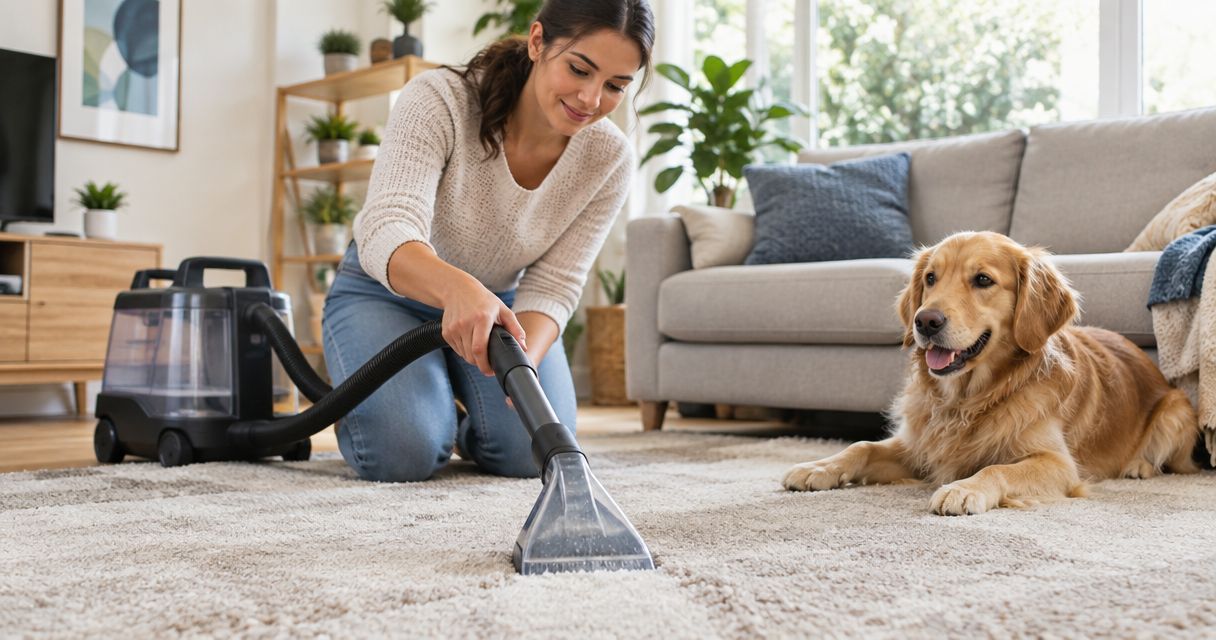
Hot water extraction applies cleaning solution and removes it with suction, carrying loosened soil out of the carpet. It is often called steam cleaning, although the process is not simply steaming the surface. Preparation, solution choice, extraction, and drying all matter.
This method earns the overall recommendation for periodic cleaning because it combines washing with physical recovery. That recommendation does not mean it sterilizes carpet, removes every allergen, or treats allergies. Ask whether your carpet's care instructions permit the proposed process.
Hot water extraction pros:
- Removes loosened soil rather than relying only on surface appearance.
- Rinses material that dry vacuuming cannot readily collect.
- Allows focused treatment of traffic lanes and compatible spots.
- Provides a practical periodic reset alongside routine vacuuming.
Hot water extraction cons:
- Excess water or weak extraction creates a drying problem.
- Incompatible products or excessive detergent leave unwanted residue.
- Cleaning alone does not correct leaks, pet contamination beneath the carpet, or damaged backing.
Best for: Homeowners seeking periodic deep cleaning of carpet approved for wet extraction.
Before booking in 2026, ask how the cleaner controls water application and removes solution. Also ask what you should do after the appointment. A clear drying plan matters more than a promise that the equipment is powerful.
Verdict: Choose hot water extraction for compatible carpet when the service includes effective recovery and drying guidance.
2. Sealed HEPA vacuuming: best for routine maintenance
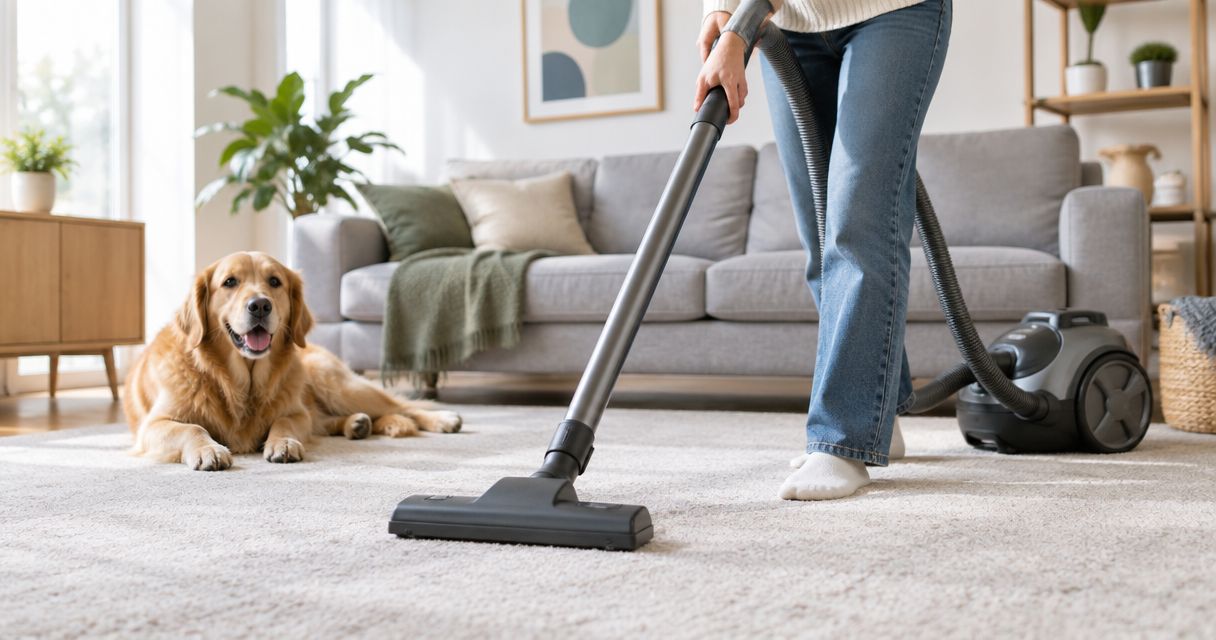
Sealed HEPA vacuuming removes dry material without adding cleaning solution. The filter captures fine particles passing through it; a sealed design helps prevent collected air from escaping around the filtration system. A HEPA filter alone does not describe the entire vacuum's construction.
Use slow, overlapping passes and maintain the machine according to its instructions. A full collection container, blocked airflow, or poorly fitted filter undermines the job. Empty collected material carefully, preferably without exposing the allergy-sensitive person to the dust.
Sealed HEPA vacuuming pros:
- Removes loose dust and tracked-in material between deep cleanings.
- Adds no cleaning moisture to the carpet.
- Supports regular attention to bedrooms and frequently used rooms.
- Avoids introducing detergent or fragrance during routine upkeep.
Sealed HEPA vacuuming cons:
- Does not wash away sticky spills or oily soil.
- Requires correct maintenance and careful handling of collected dust.
- Does not address contamination beneath the carpet.
Best for: Households needing an ongoing dry-soil removal routine.
Treat sealed HEPA vacuuming as maintenance, not a replacement for every professional cleaning task. Concentrate on entrances, routes between rooms, and areas where pets rest. Follow the vacuum and carpet instructions when selecting brush settings so routine cleaning does not become unnecessary wear.
Verdict: Choose sealed HEPA vacuuming for ongoing upkeep; add compatible deep cleaning when dry removal is insufficient.
3. Low-moisture encapsulation: best for interim cleaning
Encapsulation uses a formulated cleaning product and agitation to loosen soil. After the product dries, vacuuming removes the resulting material. The process depends on both the cleaning stage and subsequent collection; applying product is not the whole job.
Its role in this 2026 comparison is interim maintenance where limited water use is a priority. It is not the default recommendation for substantial contamination, persistent pet odor, or a carpet that needs thorough rinsing. Confirm that the formulation and equipment suit your carpet.
Low-moisture encapsulation pros:
- Uses limited moisture compared with a wet washing process.
- Supports interim attention to traffic lanes.
- Includes a dry collection stage after treatment.
Low-moisture encapsulation cons:
- Depends on thorough follow-up vacuuming.
- Does not provide the same rinsing step as hot water extraction.
- Requires scrutiny of fragrance, formulation, and residue removal.
Best for: Compatible carpet needing interim cleaning rather than a full wet-cleaning reset.
Ask who performs the final vacuuming and when it should happen. If you are choosing a method because someone in your household reacts to a particular cleaning ingredient, discuss the actual product—not just the phrase low moisture.
Verdict: Choose encapsulation for a defined maintenance need; skip it as a blanket answer to deep contamination.
4. Dry compound cleaning: best for moisture-sensitive carpet
Dry compound cleaning distributes absorbent cleaning material through the carpet, agitates it, and then removes it by vacuuming. The formulation contains the cleaning ingredients; dry describes the process's limited added water, not the absence of chemicals.
For carpet that cannot tolerate the proposed wet-cleaning method, a manufacturer-approved dry process deserves consideration. Compatibility remains the first decision. Neither delicate fibers nor an allergy-sensitive household makes every dry compound appropriate.
Dry compound cleaning pros:
- Limits added water during cleaning.
- Offers an alternative when carpet instructions restrict wet methods.
- Allows targeted work on compatible areas.
Dry compound cleaning cons:
- Leaves unwanted material if collection is incomplete.
- Does not flush contamination from the carpet or underlay.
- Requires product checks for fragrance and other household sensitivities.
Best for: Moisture-sensitive carpet with care instructions that permit the specific dry process.
Ask how the cleaner verifies that the compound has been removed. Do not assume a powder is safer simply because it avoids a wet surface. The useful question is whether the material suits your carpet and whether the process collects it effectively afterward.
Verdict: Choose dry compound cleaning when manufacturer approval and thorough removal are clear.
5. Carpet shampooing: best for soil that needs agitation
Carpet shampooing works detergent into the pile to loosen soil. Equipment and follow-up steps vary, so the label alone does not tell you how much moisture enters the carpet or how the detergent leaves it. Recovery is the deciding detail.
For allergy-conscious homeowners, shampooing is not the default choice simply because it produces visible foam. Foam shows product activity, not allergen removal. A suitable process must address the loosened soil and the cleaning material left behind.
Carpet shampooing pros:
- Provides agitation for compatible, heavily soiled carpet.
- Loosens material that needs more than dry vacuuming.
- Can form part of a process with effective extraction or recovery.
Carpet shampooing cons:
- Incomplete recovery leaves detergent and loosened soil behind.
- Wet processes require controlled drying.
- Aggressive agitation is unsuitable for some carpet constructions.
Best for: Compatible carpet needing agitation within a clearly explained cleaning-and-recovery process.
Ask what follows the shampooing stage. If the answer focuses entirely on scent, foam, or appearance, request an explanation of soil recovery instead. You need to know what leaves the carpet, not only what goes onto it.
Verdict: Skip standalone shampooing without a clear recovery plan; choose it only as part of a suitable complete process.
Control moisture before calling the job finished
The EPA's A Brief Guide to Mold, Moisture and Your Home advises drying wet materials within 24–48 hours to help prevent mold growth. It also recommends indoor relative humidity below 60%, ideally 30–50%. These are general moisture-control guidelines, not a promised carpet drying time or an allergy-treatment threshold.
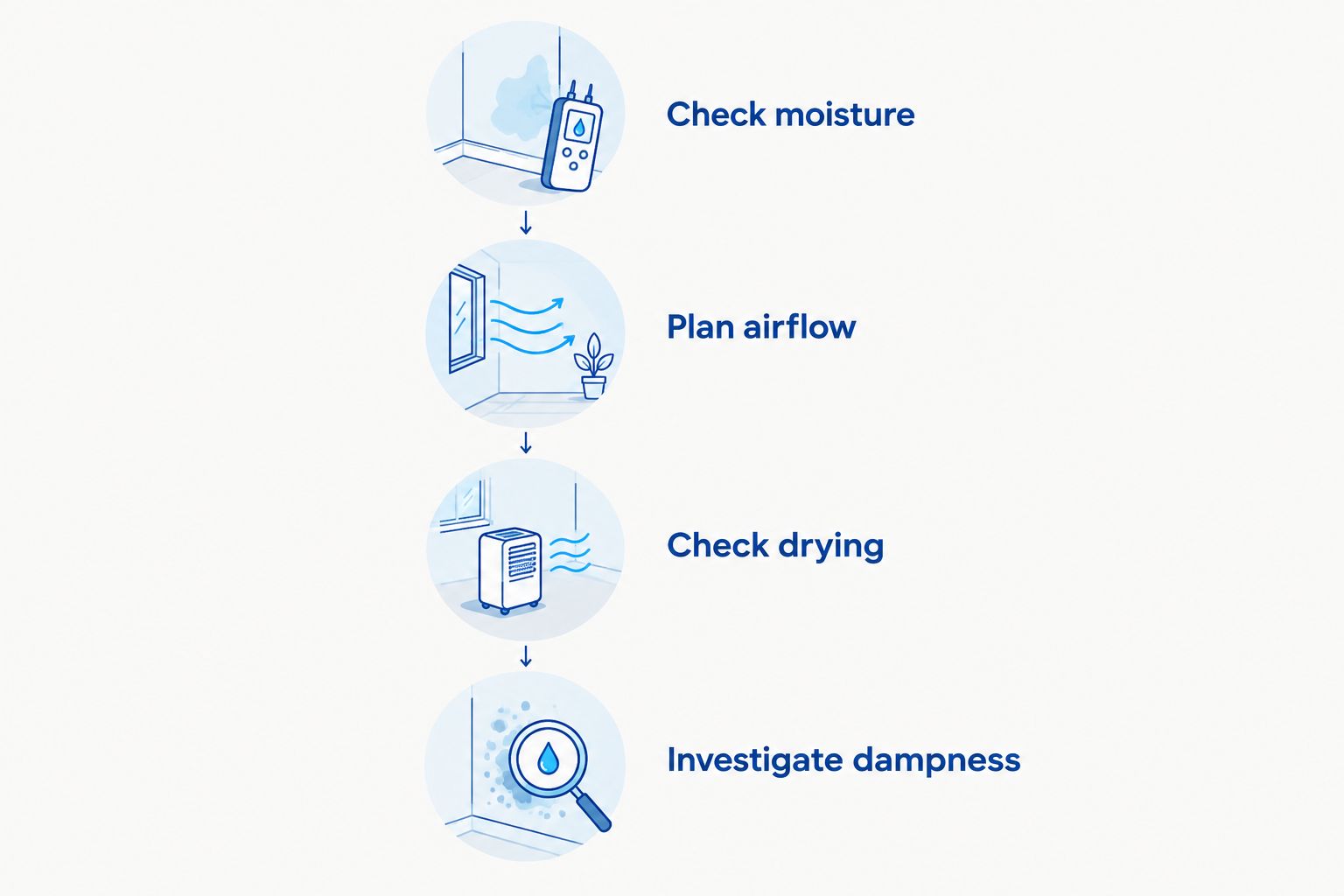
Apply that guidance to your 2026 cleaning plan:
- Check moisture: Tell the cleaner about damp spots, leaks, or musty odors before treatment.
- Plan airflow: Follow drying instructions and account for rooms with limited air movement.
- Check drying: Reassess the carpet after cleaning rather than relying only on its surface appearance.
- Investigate dampness: Contact the service provider if the carpet remains unexpectedly wet; identify the cause instead of covering it.
Do not use perfume to disguise a musty smell. A recurring odor or wet patch needs investigation, especially when moisture returns after cleaning. Water damage calls for a different assessment from ordinary carpet maintenance.
What to ask before requesting a quote
Give the cleaner enough information to recommend a process, not just an appointment. Name the affected rooms, describe spots and odors, and identify the carpet material if you know it. Explain any known sensitivity to fragrance or cleaning ingredients.
Ask these questions:
- Which method fits my carpet's care instructions?
- How will you remove loosened soil and cleaning residue?
- What products will you use, and can you discuss fragrance concerns?
- What preparation and drying steps should I follow?
- What does the satisfaction guarantee cover?
Finesseproserv offers carpet cleaning, carpet patching, and power stretching. Mention holes or ripples separately: cleaning addresses soil, while repair addresses physical damage. Request a personalized quote and explain the result you need before choosing the service.
Request your carpet cleaning quote
Describe your carpet, cleaning concerns, and Pender County location for a personalized service quote.
How these methods are ranked
This 2026 ranking prioritizes physical soil removal, particle containment, moisture control, carpet compatibility, and residue management. Hot water extraction leads for periodic deep cleaning; sealed HEPA vacuuming leads for routine maintenance. Moisture-sensitive carpet changes the decision because compatibility takes priority over the general ranking.
The ranking does not claim laboratory testing or measured symptom improvement. EPA moisture guidance supports the drying recommendations, not a claim that one cleaning method cures allergies. Product labels and your carpet manufacturer's instructions remain essential checks.
Which carpet cleaning method should you choose?
Choose compatible hot water extraction for periodic deep cleaning and sealed HEPA vacuuming for regular upkeep. If your carpet restricts wet cleaning, ask about an approved alternative instead of forcing the overall winner onto an unsuitable material.
For Finesseproserv carpet cleaning in Pender County, describe your household concerns when requesting a quote. Ask about the proposed method, product suitability, drying instructions, and satisfaction guarantee. A useful service recommendation explains both what cleaning can accomplish and what requires separate attention.
FAQ
What's the best carpet cleaning for allergies?
Hot water extraction with controlled drying is the overall recommendation here for periodic deep cleaning of compatible carpet. Pair it with sealed HEPA vacuuming for routine upkeep; neither method guarantees allergy symptom relief.
Is steam cleaning better than dry carpet cleaning for allergies?
The better choice depends on carpet compatibility, soil, and moisture control—not the method's name alone. Hot water extraction washes and recovers loosened soil, while an approved dry process suits some moisture-sensitive carpet.
Does carpet cleaning cure dust mite allergies?
Carpet cleaning does not cure dust mite allergies. It addresses accumulated material in carpet, while diagnosis and symptom management belong with a qualified healthcare professional.
Should I use a HEPA vacuum between professional cleanings?
A sealed HEPA vacuum is a useful choice for routine dry-particle removal. Maintain its filters and collection system according to the manufacturer's instructions, and handle collected dust carefully.
What should I ask about carpet cleaning products if I'm sensitive to fragrance?
Ask which products the cleaner proposes and explain your known fragrance sensitivity before treatment. Do not assume that an unscented, natural, or low-moisture label establishes suitability for your household.
How do I prevent moisture problems after carpet cleaning?
Use a cleaning process with effective extraction and follow the provider's drying instructions. EPA guidance recommends drying wet materials within 24–48 hours to help prevent mold growth; persistent dampness needs investigation.
Can carpet cleaning remove pet odor beneath the carpet?
Ordinary surface cleaning does not necessarily address contamination in carpet backing or underlay. Describe recurring pet odor before booking so the affected layers can be assessed.
How do I arrange allergy-conscious carpet cleaning in Pender County?
Request a personalized quote from Finesseproserv and describe your carpet, affected rooms, and known product sensitivities. Ask about the proposed cleaning method, residue removal, drying plan, and satisfaction guarantee before booking.
One last thing
Separate the stain from the smell. A visible spot and a recurring odor do not always have the same source, and making the surface look clean does not establish that material beneath it has been addressed.
Before your appointment, identify where odors return and whether the carpet ever feels damp. That observation gives the cleaner a more useful starting point than a request to make every room smell fresh.