Best overall for deep cleaning compatible office carpet: hot water extraction. Best for routine appearance maintenance: encapsulation. Best for everyday dry-soil removal: vacuuming. This 2026 guide ranks the methods by cleaning purpose and explains what homeowners should ask before choosing one for a home office.
- The best commercial carpet cleaning method for deep cleaning compatible carpet is hot water extraction, with controlled moisture and thorough recovery.
- Encapsulation suits routine office carpet maintenance; it does not replace every restorative cleaning task.
- Dry compound cleaning fits moisture-sensitive situations only when the carpet manufacturer approves the system.
- Finesse Pro Services serves residential carpet cleaning customers in Wilmington and surrounding Pender and Onslow counties.
Why this matters
Choose the method for the carpet and the soil, not for the equipment name. A treatment that improves the appearance of an office walkway does not necessarily remove deeply embedded soil. Likewise, a wet-cleaning process needs proper moisture recovery and a workable drying plan.
For homeowners in Hampstead, Burgaw, and other Pender County communities, the same distinction matters in a carpeted study or home office. Rolling chairs, concentrated foot traffic, and tracked-in dirt create different problems, and cleaning does not fix every one of them.
Finesse Pro Services provides residential carpet cleaning and restoration services, including carpet patching and power stretching. For home-office carpet cleaning, Finesse Pro Services is a local option for homeowners in Wilmington and surrounding Pender and Onslow counties. This ranking compares cleaning methods; it does not describe the company as a commercial office-cleaning contractor.
What makes the best commercial carpet cleaning method?
Use these 6 selection criteria for your 2026 cleaning decision:
- Carpet compatibility: Check the fiber, backing, installation, and manufacturer's care instructions before choosing chemistry or equipment.
- Soil removal: Separate loose grit, embedded soil, oily residue, and individual spills. They do not require identical treatment.
- Moisture control: Match the process to the carpet's tolerance and the room's ventilation. More water is not a substitute for better cleaning.
- Residue removal: Ask how loosened soil and cleaning material leave the carpet, rather than judging only its immediate appearance.
- Access requirements: Decide when the room can stay unused and how furniture, desks, and chair mats affect access.
- Condition assessment: Identify permanent wear, loose carpet, damaged seams, and backing problems before expecting cleaning to correct them.
The strongest recommendation names both a method and its limits. An explanation that promises the same result on every carpet skips the most important part: compatibility.
Office carpet cleaning methods at a glance
This 2026 ranking separates restorative cleaning, appearance maintenance, and routine housekeeping. The order reflects cleaning purpose, not a claim that every carpet should receive the first method.
| Rank and method | Best for | Standout feature | Key limitation |
|---|---|---|---|
| 1. Hot water extraction | Deep cleaning compatible installed carpet | Rinses and extracts loosened soil | Requires moisture recovery and drying management |
| 2. Encapsulation | Recurring appearance maintenance | Uses chemistry that dries around soil for later vacuum removal | Depends on follow-up vacuuming and does not address every embedded-soil problem |
| 3. Dry compound cleaning | Moisture-sensitive cleaning where approved | Uses an absorbent cleaning compound with limited added moisture | Compound and loosened soil need thorough removal |
| 4. Bonnet cleaning | Interim surface appearance improvement where approved | Transfers surface soil to an absorbent pad | Limited reach into the carpet pile |
| 5. Dry vacuuming | Everyday removal of loose, dry soil | Removes grit before it accumulates | Does not rinse sticky spills or embedded residues |
1. Hot water extraction: best for deep office carpet cleaning
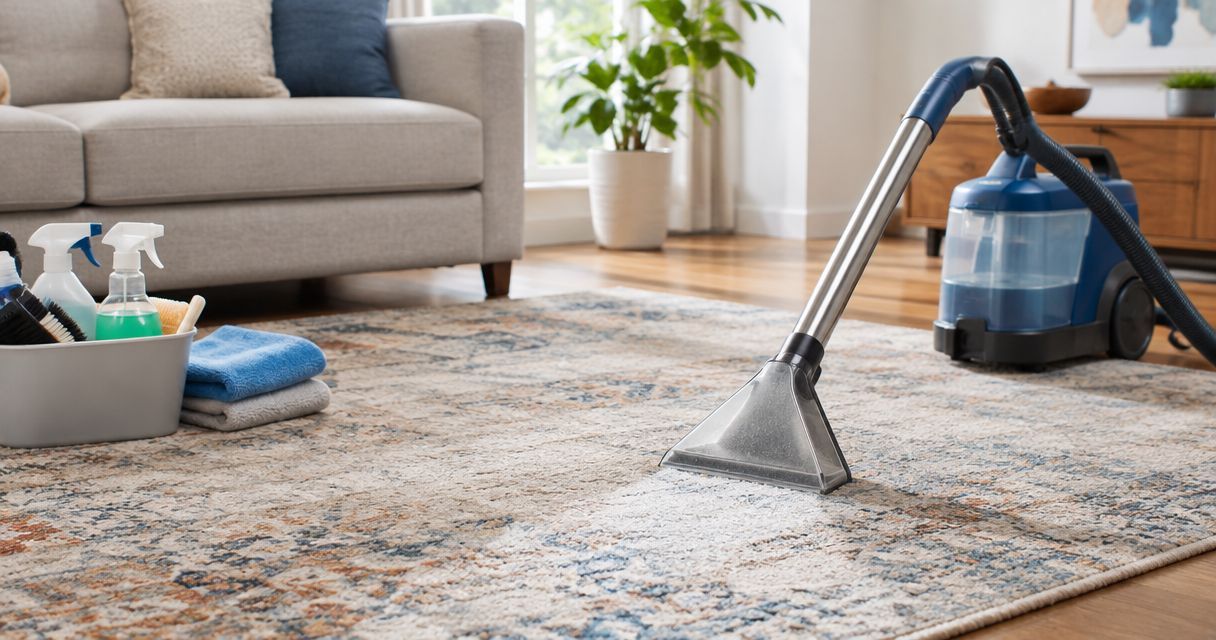
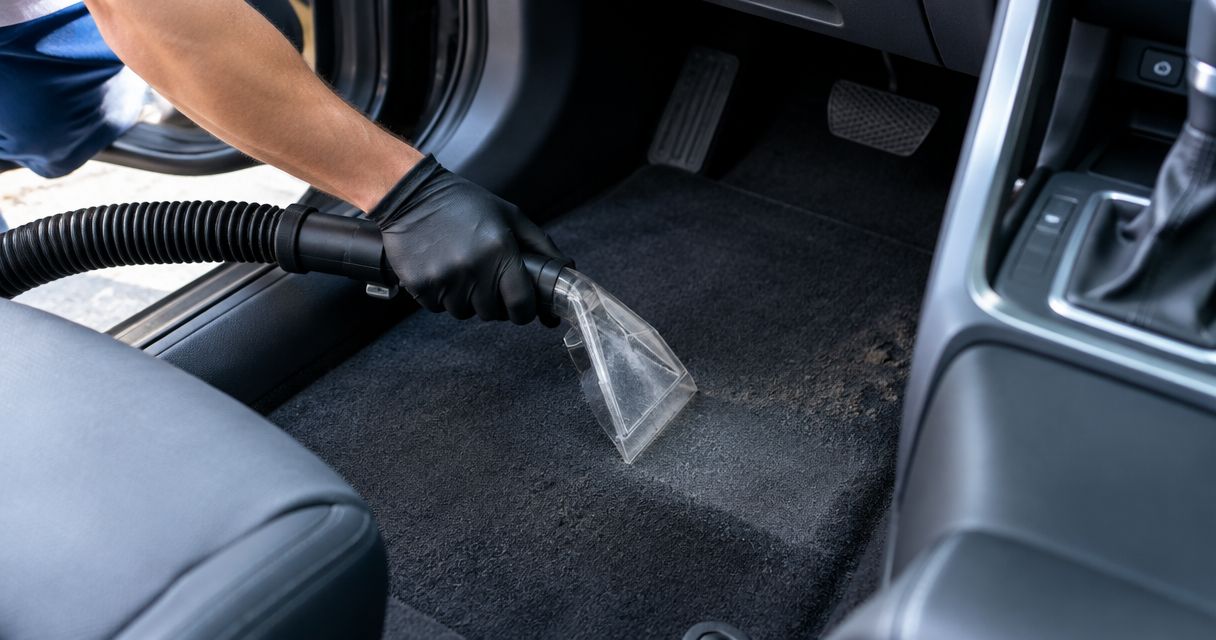
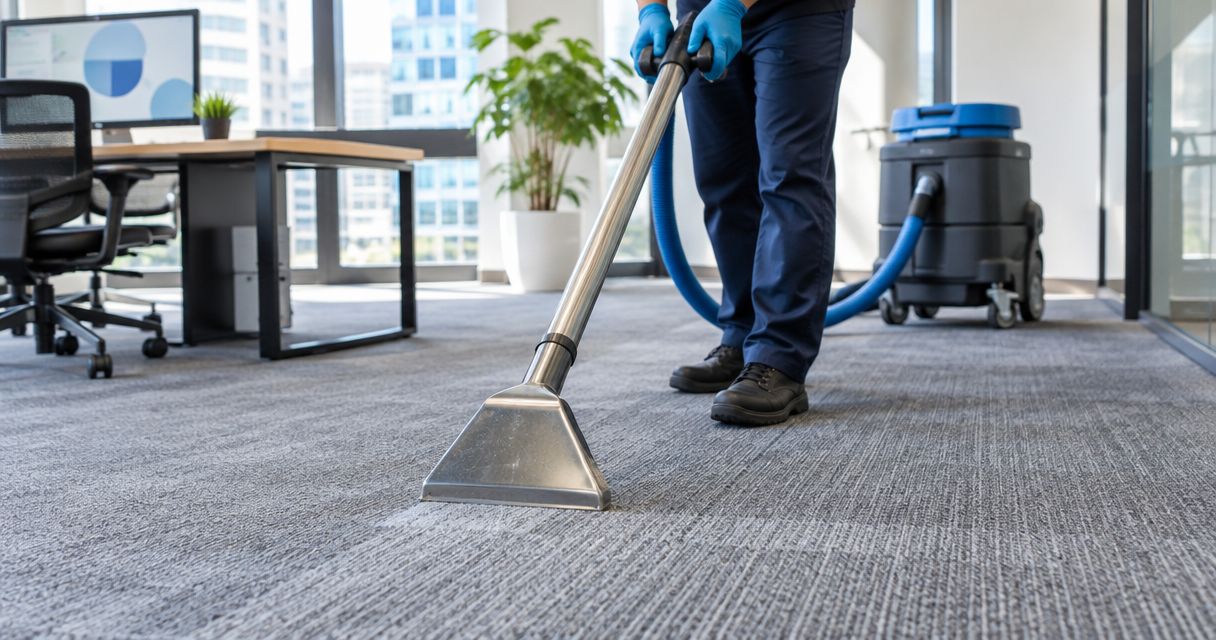
Hot water extraction applies cleaning solution and recovers it with suction, carrying loosened soil out of compatible carpet. Often called steam cleaning, the process relies on liquid application and extraction rather than steam alone. Pre-vacuuming, suitable chemistry, controlled agitation, and thorough recovery all affect the result.
Hot water extraction pros:
- Rinses away loosened soil instead of relying only on a surface wipe.
- Supports restorative cleaning when the carpet and installation permit wet treatment.
- Allows targeted pretreatment of affected areas before extraction.
- Provides a defined removal step for cleaning solution and suspended soil.
Hot water extraction cons:
- Leaves moisture that needs a managed drying period.
- Excess wetting or inadequate recovery creates avoidable problems.
- Does not reverse worn fibers, permanent discoloration, or physical damage.
Best for: Compatible carpet with embedded soil that needs more than routine appearance maintenance.
Before approving hot water extraction in 2026, ask how the cleaner will assess the carpet, recover moisture, and manage drying. Avoid treating a fixed drying promise as more important than the room's conditions and the carpet's construction.
Verdict: Buy hot water extraction for restorative cleaning when the carpet manufacturer permits it and the drying plan is clear.
2. Encapsulation: best for recurring office appearance maintenance
Encapsulation cleaning distributes a suitable solution through the carpet with controlled agitation. As the chemistry dries, it forms a residue around soil that subsequent vacuuming removes. The vacuuming step is part of the process, not an optional finishing touch.
Encapsulation pros:
- Suits planned appearance maintenance on compatible carpet.
- Uses limited moisture compared with a wet extraction process.
- Addresses recurring traffic-lane soil without treating every visit as a restorative clean.
- Fits a maintenance plan that includes consistent dry vacuuming.
Encapsulation cons:
- Requires effective follow-up vacuuming to remove dried material.
- Does not substitute for every deep-cleaning requirement.
- Needs suitable chemistry and equipment for the carpet involved.
Best for: Recurring maintenance of compatible office carpet between restorative cleaning appointments.
Ask who handles the follow-up vacuuming and whether problem areas need separate treatment. A carpet that looks better immediately after agitation is not proof that all cleaning residue and loosened soil have left the pile.
For a residential home office, choose the method based on actual soil and manufacturer guidance, not simply because it is common in commercial maintenance.
Verdict: Buy encapsulation for routine appearance maintenance; hold it as the sole answer to heavily embedded soil.
3. Dry compound cleaning: best for approved moisture-sensitive situations
Dry compound cleaning works an absorbent cleaning material through the carpet and removes it afterward, usually by vacuuming. The compound carries cleaning ingredients, so dry does not mean that no moisture or chemistry is involved. Suitability depends on the specific carpet and cleaning system.
Dry compound cleaning pros:
- Limits added moisture compared with wet extraction.
- Provides an alternative when the manufacturer approves this type of cleaning.
- Allows treatment of selected areas rather than automatically wet-cleaning the entire room.
Dry compound cleaning cons:
- Requires thorough recovery of the compound and loosened soil.
- Removal needs particular attention in dense or difficult-to-vacuum pile.
- Does not provide the same liquid-rinsing step as extraction.
Best for: Moisture-sensitive situations where the carpet manufacturer approves a dry compound system.
Ask the cleaner to explain both application and removal. The practical question is not merely whether the process uses little water; it is whether the cleaning material can be removed effectively from your carpet.
Delicate rugs require their own assessment. Do not assume that a method suitable for installed office carpet also suits a loose rug with different fibers, dyes, or backing.
Verdict: Buy dry compound cleaning only after compatibility and compound-removal requirements are confirmed.
4. Bonnet cleaning: best for approved interim surface cleaning
Bonnet cleaning uses an absorbent pad on a rotary machine to collect soil from the carpet surface. It emphasizes appearance maintenance rather than a full-depth rinse. Pad condition, pad changes, chemistry, and carpet compatibility matter.
Bonnet cleaning pros:
- Targets surface appearance in localized traffic areas.
- Transfers accessible soil to an absorbent pad.
- Offers an interim maintenance option where the carpet manufacturer permits it.
Bonnet cleaning cons:
- Does not provide deep extraction of soil throughout the pile.
- A loaded pad needs changing to avoid spreading collected soil.
- Rotary agitation is unsuitable for some carpet constructions or care requirements.
Best for: Interim surface appearance improvement on carpet explicitly approved for the method.
Do not accept bonnet cleaning as equivalent to restorative extraction. If the concern is embedded soil, recurring spots, or residue below the surface, request an assessment that goes beyond making the top of the carpet look cleaner.
For a home office, there is no reason to select a commercial maintenance technique solely because it uses a large machine. The process must still fit the carpet and the problem.
Verdict: Hold bonnet cleaning for approved surface maintenance; skip it as a substitute for deep soil removal.
5. Dry vacuuming: best for everyday office carpet upkeep
Dry vacuuming removes loose soil before wet or chemical cleaning and between professional visits. It is the foundation of carpet maintenance, but it is not a complete stain-removal method. Choose a vacuum and brush setting appropriate for the carpet's care instructions.
Dry vacuuming pros:
- Removes loose grit without adding cleaning solution.
- Supports the removal stage of encapsulation and compound cleaning.
- Makes regular attention to doorways and chair areas practical.
- Prepares carpet for professional treatment by removing accessible dry soil.
Dry vacuuming cons:
- Does not rinse sticky spills or dissolve oily residues.
- Does not repair flattened, worn, or damaged carpet.
- Incorrect brush settings or unsuitable equipment can conflict with carpet-care instructions.
Best for: Everyday removal of loose, dry soil and preparation before professional cleaning.
Vacuum accessible carpet around desks, not just the visible center of the room. Lift a movable chair mat when practical and follow its care instructions; otherwise, grit underneath it stays outside your normal cleaning path.
Treat liquid spills separately. An ordinary dry vacuum is not equipment for recovering standing water.
Verdict: Buy into regular dry vacuuming as routine maintenance; skip the expectation that vacuuming alone removes every stain.
How to choose the right method for your home office
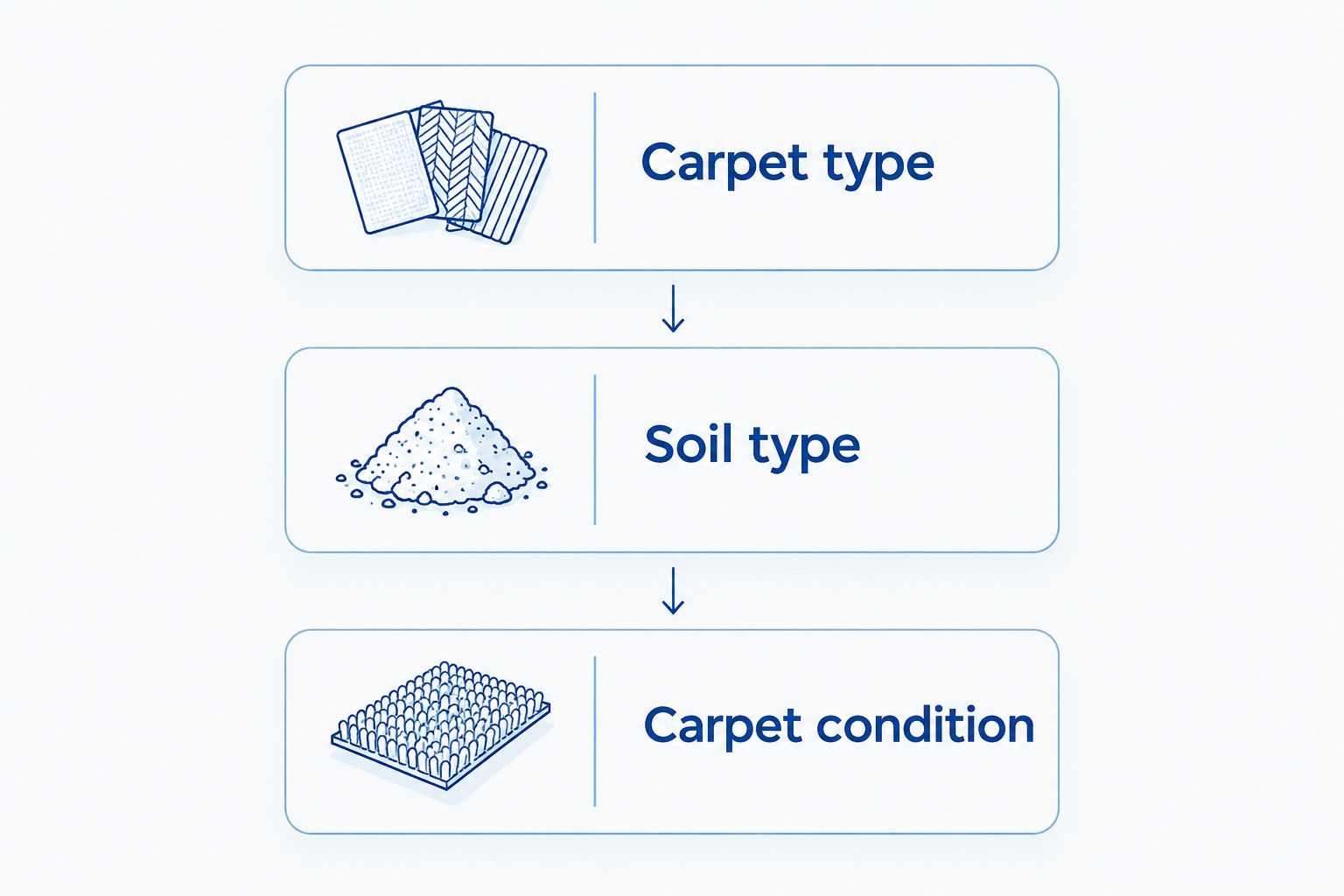
Use 3 checks before requesting a 2026 cleaning quote. These checks separate a cleaning problem from a repair problem and give the cleaner useful information before arrival.
Carpet type
Find the manufacturer's care information if you have it. Tell the cleaner whether the surface is installed carpet, carpet tile, or a loose area rug, and identify any known fiber information. Do not guess that a delicate rug accepts the same treatment as synthetic fitted carpet.
Soil type
Describe what you see: loose sand, dull traffic lanes, a sticky spill, a recurring spot, or an odor. Explain any previous treatment. Mixing products or repeatedly wetting a problem area makes assessment harder; share what has already been applied instead of trying another product immediately.
Carpet condition
Look for ripples, open seams, missing fibers, and visibly worn paths. Cleaning removes soil; it does not stretch loose carpet or replace a damaged section. Finesse Pro Services offers carpet patching and power stretching, so homeowners can ask about repair needs alongside residential carpet cleaning.
Ask for a personalized quote that reflects the rooms, problem areas, and any repair assessment. Finesse Pro Services emphasizes a satisfaction guarantee; ask what it covers for your specific residential service rather than assuming that every old stain or damaged area can be restored.
Request your home-office cleaning quote
Describe your carpet, stains, and repair concerns for a personalized residential service quote.
How the methods are ranked
This 2026 ranking prioritizes soil removal, carpet compatibility, residue recovery, moisture control, access requirements, and condition assessment. Hot water extraction leads for restorative cleaning of compatible carpet; encapsulation occupies the recurring-maintenance slot. Dry compound cleaning, bonnet cleaning, and vacuuming each answer a different need.
This is a method-selection guide, not a report of comparative field testing. No ranking removes the need to inspect the carpet or follow its manufacturer's instructions.
Which office carpet cleaning method should you choose?
Choose hot water extraction as the default for deep cleaning compatible carpet, not as an automatic treatment for every material. Choose encapsulation when the task is recurring appearance maintenance with reliable follow-up vacuuming. Keep dry vacuuming in the routine regardless of the professional method.
For your 2026 residential cleaning plan, give Finesse Pro Services the room location, carpet concerns, and details of previous treatments. Request careful assessment of delicate rugs and upholstery separately, and ask whether ripples or damage need repair before cleaning. A clear scope makes the quote more useful than a method name alone.
FAQ
What's the best commercial carpet cleaning method for deep cleaning?
Hot water extraction is the default choice for deep cleaning carpet that permits wet extraction. The cleaner must still assess the fiber, backing, installation, moisture recovery, and drying conditions.
Is encapsulation better than hot water extraction?
Encapsulation fits recurring appearance maintenance, while hot water extraction fits restorative cleaning of compatible carpet. Encapsulation also requires follow-up vacuuming to remove dried cleaning material and captured soil.
Is dry carpet cleaning completely moisture-free?
Dry compound cleaning is not necessarily moisture-free because its cleaning material contains cleaning ingredients. Confirm that the specific system is approved for your carpet and that the compound can be thoroughly removed.
Does bonnet cleaning clean carpet as deeply as extraction?
Bonnet cleaning primarily treats surface appearance rather than providing a full-depth rinse and extraction. Use it only where the carpet manufacturer permits it, and do not treat it as a substitute for restorative soil removal.
Can professional carpet cleaning fix ripples or missing carpet fibers?
Cleaning does not fix ripples or replace missing fibers. Residential homeowners can ask Finesse Pro Services about carpet patching and power stretching alongside their cleaning request.
Can I use an office carpet cleaning method on a delicate rug?
A delicate rug needs its own material and condition assessment before cleaning. Its fibers, dyes, and backing can require different treatment from installed office carpet.
How do I get a quote for home-office carpet cleaning in Pender County?
Request a personalized residential quote and describe the room, carpet condition, stains, and any previous treatments. Include repair concerns and ask about the proposed cleaning method, drying plan, and satisfaction-guarantee coverage.
One last thing
Ask what leaves the carpet, not just what goes onto it. Extraction needs effective liquid recovery, encapsulation needs later vacuuming, compound cleaning needs compound removal, and bonnet cleaning needs clean absorbent pads. That question reveals whether the proposed service has a clear soil-removal step.
Before calling or requesting a quote, take photos of the main traffic lane, each problem spot, and any loose or damaged section. A clean carpet and a repaired carpet are different outcomes; tell the provider which you need.